
Most businesses spend months perfecting their product but rush their domain name decision into a single afternoon. The result is a web address that is too long, too generic, or too forgettable to do any real work for the brand.
Brandable domain names solve this problem. Instead of telling people what you do, they give your business a distinct identity that people actually remember. Canva, Stripe, and Notion do not describe their services in their names, yet they completely own their categories because their names are clean, sharp, and unmistakably theirs.
Good domain names are harder to find than ever in 2026. Clean, short .com registrations are nearly exhausted. Knowing what makes a domain truly brandable, and where to find one, gives your business a real head start. This guide covers all of that and more. So let’s get started!
What Are Brandable Domain Names?
A brandable domain name is one that does not directly describe what a business sells or does. Instead of leading with a product or service, it leads with an identity. These domains are usually made-up words, re-creations of already existing terms, references to historical figures, or simply wordplay.
Some of the most recognized companies in the world built their identity on names that meant nothing at first glance. Lego's name comes from the Danish phrase "leg godt," which means "play well." The first Airbnb was hosted by its founders, who turned their home into a bed-and-breakfast with a few air beds in their living room, which inspired the company's name. Bill Gates named his company Microsoft to show its dedication to Microcomputer Software.
These names worked not because they were clever, but because they were distinct, easy to remember, and flexible enough to grow with the brand.
A brandable name can be either an invented word, like Google, or a dictionary word used in a unique way to describe a trait of a business rather than the business itself. It is the difference between Zappos and Shoes.com, and also the difference between Amazon and Booktopia.
This is the core idea behind brandable domains. They are not built to rank for a keyword but to become the keyword themselves.
Why Brandable Domain Names Matter for Your Business
Choosing a brandable domain name has real consequences for how your business grows and how customers perceive you over time.
They are easier to trademark.
It is much easier to acquire a trademark for a name that is one-of-a-kind. If it is too similar to an existing brand or common terms, you may run into legal trouble. A generic or descriptive name is nearly impossible to protect legally because no one truly owns it.
They grow with your business.
An overly specific name may limit you later if you expand your offerings or change the direction of your company. Amazon started as an online bookstore, but nothing in that name limited them to books. That flexibility is valuable.
They are more memorable.
You are more likely to remember Nike.com than AthleticShoeStore.com. When someone hears your name once in a conversation, a brandable name has a far better chance of sticking.
They create long-term brand value.
A strong brandable domain gives customers something memorable to associate with your business. Over time, that familiarity can make people more likely to return, recommend you to others, and choose your business over competitors.
Brandable Domains vs. Descriptive Domains: Key Differences
To make the right choice for your business, it is important to understand the difference between brandable domains vs descriptive domains.
As the name suggests, a descriptive domain clearly describes a business's services or products. A few examples are "Whole Foods" or "General Motors." The benefit of these names is that customers can understand the type of company right away without having to decipher the meaning of your brand name.
Brandable domains, on the other hand, prioritize identity over explanation. They do not tell you what the business does, but they are far easier to remember and build a brand around.
Here is how the two compare across the factors that matter most:
| Brandable Domains | Descriptive Domains | |
| Memorability | High | Low |
| Trademark potential | Strong | Weak |
| SEO on day one | Requires effort | Built-in keyword advantage |
| Long-term brand value | Very high | Limited |
| Availability | More options | Mostly taken |
| Business flexibility | Grows with you | Can feel restrictive |
Descriptive vs Brandable Domain: Which is best for SEO?
This is where most people get confused. Descriptive domains may be harder to find because of their SEO value. Since they include common keywords, they are more likely to show up in search results. However, a brandable domain backed by strong content, good backlinks, and a clear content strategy can absolutely outrank a descriptive one over time. Google cares far more about the quality of your website than the keywords in your domain name.
The right choice ultimately depends on whether your priority is immediate keyword recognition or building a brand people remember for years.
What Makes a Good Brandable Domain Name?
With so many options available, it’s difficult to find good brandable domains. So to help you out, we’ve shared the qualities that separate a name that works from one that creates problems down the road:
- Easy to spell and pronounce: If someone heard your company's name audibly, such as on a radio or podcast, would they be able to search for you online? Names like Zoom and Slack work because anyone can spell them on the first try. If you have to spell it out every time someone asks, that is a big problem.
- Short and clean: The shorter the name, the easier it is to type, share, and remember. Most strong brandable domains, such as Stripe, Notion, and Figma, sit between four and ten characters. Anything beyond that starts to feel like a compromise.
- Unique enough to own: Can you trademark it? Does it resemble an existing brand too closely? Run a trademark check not only in your country but also around the world before you get attached to a name. Skipping this step can lead to expensive legal disputes later.
- Timeless: Will this name still make sense five years from now if your product evolves or your market shifts? A name tied to a trend or a specific product feature can box you in quickly. Canva did not call itself "LogoMaker.com" and that decision gave them room to become a full design platform.
- Passes the radio test: Say your domain name out loud to someone unfamiliar with your business. If they can go home and type it correctly without any guidance, it passes. If there is even slight confusion around spelling or pronunciation, it needs more work.
Types of Brandable Domain Names
There are different types of brandable domain names. Understanding all types will help you figure out which naming approach fits your business best.
Invented words
These are completely made-up names with no dictionary meaning. They are unique by nature and almost always available for trademark. Some examples include Google, Kodak, and Xerox. The challenge with invented words is that they start with zero meaning, so building recognition takes consistent marketing effort.
Portmanteaus
These combine two existing words into one new name. For example, Pinterest fuses "pin" and "interest," suggesting the act of collecting or saving things you like. Groupon combines "group" and "coupon." Portmanteaus work well because they carry a hint of meaning while still feeling fresh and ownable.
Evocative words
These are real words used in a context that has nothing to do with the business itself. Amazon, Apple, and Virgin are all dictionary words that were repurposed to represent something entirely different. They perform well because they carry an emotional weight or imagery that sticks in the mind.
Mythology and cultural references
Names drawn from history, mythology, or literature tend to carry a sense of authority and timelessness. Did you know that Nike gets its name from the Greek goddess of victory? These brandable domain names feel premium and are rarely descriptive of any specific product.
Altered or misspelled words
Some brands take a familiar word and tweak it slightly to create something new and available. Companies like Fiverr, Tumblr, and Flickr dropped vowels to create names that feel modern, short, and unique.
Prefixed or suffixed names
Adding a short prefix or suffix to a common word can create something brandable and available. Brands like Dropbox, Mailchimp, and Basecamp follow this pattern by combining a familiar concept with a word that adds personality.
Short Brandable .com Domain Names: Why .com Still Wins
Once you have a name in mind, your next decision is the domain extension. And while there are hundreds of options available today, .com is the strongest choice for most businesses.
The reason is simple: People search for .com without thinking. When someone hears your brand name and types it into a browser, they will almost always add .com at the end out of habit. Now, if your website sits on a different extension and someone else owns your .com, you are actively sending traffic to a competitor or a parked page.
Then trust is another important factor. A .com domain signals credibility in a way that newer extensions still struggle to match, especially with older audiences and enterprise buyers.
But the downside is that .com is not always available or affordable. Here are some other extensions to consider when .com is out of reach:
- .net: One of the most recognized domain extensions on the web since 1985.
- .co: Short for "company" and gives the same reach as .com without affecting SEO negatively.
- .org: Best suited for non-profits, foundations, and institutions.
- .io: Widely trusted among tech startups and SaaS businesses.
- ccTLDs like .us, .in, .eu: Worth considering if you are targeting a specific geographic market.
Avoid extensions such as .xyz, .loan, .top, .shop, and .xin, as they are commonly used by fraudsters and spammers for malicious activity.
How to Come Up With a Brandable Domain Name
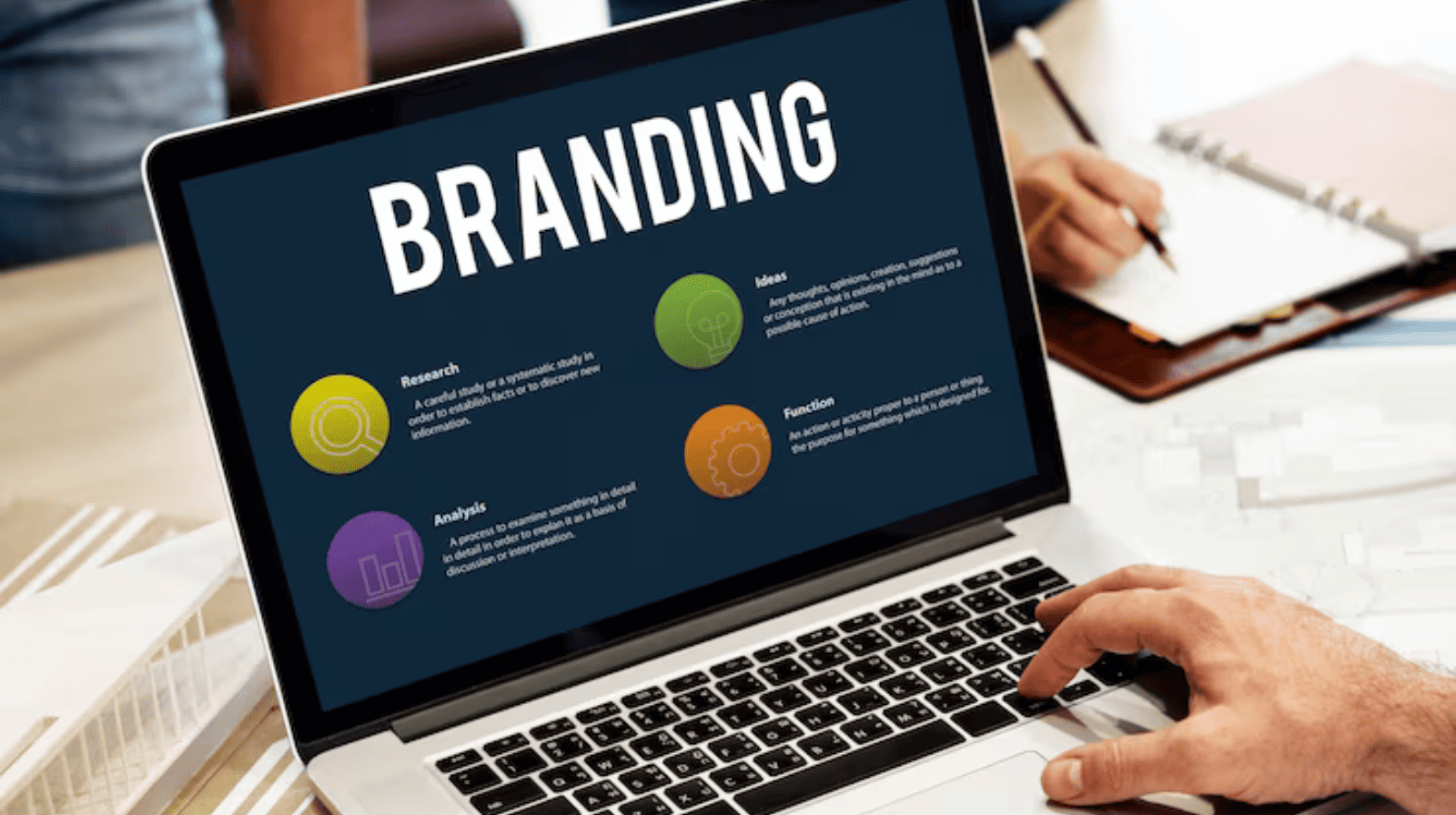
Coming up with a strong brandable domain name is part strategy, part creativity. Here is a practical process to help you find something that actually works.
Start with emotions, not descriptions.
Think about how you want people to feel when they interact with your brand. Calm? Or powerful? Maybe free? Starting from an emotion rather than a product feature often leads to more interesting and memorable name ideas.
Use naming techniques that work.
- Combine two unrelated words that complement each other, like Facebook or Snapchat.
- Take a familiar word and alter its spelling slightly, like Fiverr or Tumblr.
- Borrow from mythology, geography, or nature, like Amazon or Nike.
- Merge two relevant words into one, like Pinterest or Groupon.
Look outside your industry for inspiration.
Some of the best brand names came from completely unrelated fields. A fintech company looking at astronomy terms or a health brand drawing inspiration from ancient languages will almost always land on something more original than a startup that brainstorms within its own industry. Think differently.
Keep a running list before you commit.
Do not stop at the first name that feels right. Generate at least 20 to 30 names before narrowing down. The more options you have, the better your final choice will be. Names that sound odd at first can grow on you later, while names that feel perfect immediately can start to feel generic after a few days.
Verify before you get attached - most important.
Before registering anything, check that the name is available as a trademark, has no negative meaning in other languages, and does not resemble an existing brand. It’s very important to catch these issues early to avoid expensive rebranding later.
Where to Find Brandable Domain Names for Sale
If your preferred domain is already taken through open registration, the secondary market is your next best option. This is where investors who have already registered brandable domains list them for sale at a fixed price or through auction.
Premium domains are considered high-value digital assets by domain investors and businesses looking to strengthen their online presence. Here are the best places to find brandable domain names for sale today:
- BrandBucket: A curated marketplace with over 100,000 hand-picked creative business names available for sale.
- Brandpa: Invents and sells brandable domains that are ready to use and come complete with a logo.
- BrandDo: Offers premium brandable .com domains with transparent pricing and a lease-to-own option so you can get your brand name without draining your startup budget.
- Efty: Connects you directly with domain owners, all transactions securely processed through their built-in payment system.
- DomCop: A powerful domain search engine that aggregates expired and expiring domains from multiple registrars, making it easier to find quality brandable domains before they disappear.
- NamePros: A community-driven marketplace where investors list brandable domains at negotiable prices.
If the domain you want is not listed anywhere, do a WhoIs lookup to find the owner and contact their registrar to forward an inquiry. Many owners are open to selling for a good price.
Simple Brandable Domain Names: Real Examples by Industry
Looking at real examples across industries is one of the best ways to understand what a strong brandable domain name looks like in practice.
| Industry | Examples | Why They Work |
| Tech and SaaS | Slack, Zoom, Notion, Figma | Short, clean, and completely ownable |
| E-commerce and Retail | Zappos, Etsy, Shopify | Memorable without leaning on generic terms like "shop" or "store" |
| Health and Wellness | Calm, Headspace, Hims | Communicate a feeling rather than a service |
| Finance and Fintech | Robinhood, Chime, Wise | Each carries a personality and does brand storytelling before the website loads |
| Creative and Media | Canva, Behance, Dribbble | Playful, distinctive, and instantly memorable |
The pattern across all of these is consistent. Short, simple, easy to say, and carrying no baggage from a specific product or feature. That is the standard worth aiming for when choosing your own brandable domain name.
Conclusion
A brandable domain gives you something that exact-match keywords can't: a name that's uniquely yours. Instead of competing for a generic phrase, you're creating an identity customers can recognize and remember.
Whether you register a new domain or buy one on the aftermarket, choose a name that feels like a brand rather than a description. The products, services, and marketing can change over time, but the right brand name can stay with your business for years.
Brandable Domain Names FAQs
What is a brandable domain name?
A brandable domain name is a short, distinctive web address that builds a brand identity rather than describing what the business does. Google, Canva, and Stripe are classic examples.
What is the difference between a brandable and descriptive domain?
Brandable domains mainly focus on memorability and uniqueness, whereas descriptive domains provide immediate clarity about your services or products.
Are brandable domains good for SEO?
Yes, brandable domains can achieve excellent SEO results through quality content and strong branding efforts, even though descriptive domains have an early keyword advantage.
Where can I find brandable domain names for sale?
The best places include BrandBucket, Brandpa, BrandDo, Efty, DomCop, and NamePros.
What makes a domain name simple and brandable?
It should be short, easy to spell, easy to pronounce, and pass the radio test. No numbers, hyphens, or confusing spelling.
How much do brandable domain names cost?
Fresh registrations can cost as little as a few dollars per year. Premium brandable domain names for sale on secondary marketplaces can range from a few hundred to several thousand dollars depending on the quality of the name.